

The story of the Shunammite woman and the prophet Elisha is one that shines as a beacon of faith, honour, divine favour, and miraculous restoration. Found in 2 Kings 4:8-37, this biblical narrative offers profound lessons about the power of faith and the rewards of honouring God’s servants. Let’s take a journey through this captivating tale.
A Woman of Faith and Hospitality
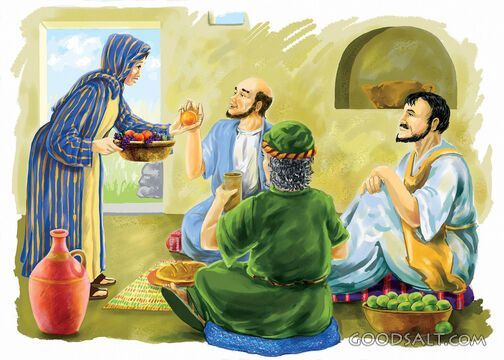
The Shunammite woman was a wealthy, prominent figure in her town, Shunem. But her wealth wasn’t her defining feature—it was her generous spirit and deep reverence for God that stood out. Whenever Elisha, the prophet of God, passed through her town, she urged him to stay at her home, offering him food and hospitality.
Not content with just providing meals, she recognized the divine calling on Elisha’s life and persuaded her husband to build a small upper room for him. This simple act of kindness, borne out of reverence and faith, laid the foundation for what would become a remarkable story of God’s favour.
The Honour of Recognizing God’s Servant
In honouring Elisha, the Shunammite woman was also honouring God. She expected nothing in return—her actions were purely from a heart of service. Elisha, moved by her kindness, wanted to bless her. Through his servant Gehazi, Elisha discovered that the woman had no child and that her husband was old. This was a significant matter in their culture, where children were considered a source of blessing and legacy.
Elisha promised her that within a year, she would embrace a son. Despite her initial disbelief—she had likely given up hope of ever becoming a mother—Elisha’s prophecy came to pass. The woman was granted the desire of her heart, a child, a true token of divine favour.
A Test of Faith and Trust
However, the story takes a sorrowful turn when the child, now grown, suddenly falls ill and dies in his mother’s arms. The Shunammite woman’s response is remarkable. Instead of sinking into despair, she lays the boy on Elisha’s bed and sets out immediately to find the prophet. She does not even tell her husband the full gravity of the situation.
Her faith is unwavering. She believes that if she can reach the man of God, her son can be restored. When she finally finds Elisha, she falls at his feet and pours out her anguish. Elisha, seeing her distress, acts immediately. He sends his servant ahead, but it is not until Elisha himself prays and stretches himself over the boy that life is restored.
Divine Restoration
The climax of the story is the miracle of resurrection. Elisha’s prayers are answered, and the child comes back to life. This act of restoration symbolizes God’s power to breathe life into hopeless situations.
The Shunammite woman’s story, however, did not end there. Years later, a famine swept through the land. In her time of need, she turned to Elisha once again. The prophet, remembering her hospitality and faith, instructed her to flee to a foreign land with her family. He assured her that God would provide for them during their exile.
The Shunammite woman obeyed Elisha’s instructions, and God indeed honoured her trust. She and her family were safe and cared for during the famine. When the famine ended, they returned to their home, where they were reunited with their property and possessions.
The story of the Shunammite woman and Elisha is a powerful reminder of the rewards that come from honouring God and living a life of faith. Her unwavering trust in God, even in the face of adversity, led to remarkable blessings and restoration. Her story serves as a beacon of hope for all who may be facing challenges in their own lives.
The Shunammite woman’s faith had been tested, and because she trusted in the power of God, she witnessed the miracle of restoration.
Lessons for Today: Faith, Honour, Favour, and Restoration
The story of the Shunammite woman and Elisha is rich with lessons that resonate with believers today.
Faith and Generosity: The woman’s willingness to offer hospitality without expecting anything in return shows the power of generous faith. Sometimes, the seeds of kindness we sow bring forth blessings beyond our imagination.
Honouring God’s Servants: By recognizing the importance of Elisha’s ministry, the Shunammite woman opened the door to God’s favour. Honouring those who serve God often brings spiritual blessings into our lives.
Unshakable Faith in Times of Crisis: When faced with the death of her son, the Shunammite woman’s immediate reaction was to seek God through His prophet. She did not allow grief to cripple her faith but clung to the belief that God could still act.
Restoration Is Possible: No matter how dire the situation may seem, God is able to bring about restoration. The loss of the child represented a loss of hope, but God, through Elisha, brought life where there had been death.
Conclusion
The story of the Shunammite woman and Elisha serves as a timeless reminder of the power of faith, the rewards of honouring God, and the miracle of restoration. In our own lives, we may face situations that seem beyond repair, but as the Shunammite woman’s story shows, when we place our trust in God, He can turn even the darkest moments into testimonies of His glory.
 Adeola's book